

LAST UPDATED: JANUARY 01, 2026
Flooring Types and Installation Considerations
Floor Fitting Types
Choosing the right flooring is not only about appearance. Different flooring types behave very differently once installed, especially in UK homes where subfloor condition, moisture risk, and building requirements vary from property to property.
This guide explains the main flooring types, how they are typically installed, and how your choice affects installation complexity and overall cost. It is designed to help you decide which flooring type suits your property before you move on to detailed budgeting.
If your main concern is overall price, start here:
How Flooring Type Influences Installation Cost
Flooring installation costs are shaped as much by material behaviour as by room size. Some floors tolerate uneven subfloors better, while others require extensive preparation before installation can begin.
In broad terms:
- Floating systems tend to have simpler installation
- Glue-down or patterned floors usually require higher preparation standards
- Moisture sensitivity and acoustic rules (especially in flats) can increase cost
For a room-specific budget estimate, you can also use our:

One team, one plan, one point of contact
Solid Hardwood Flooring
What it is
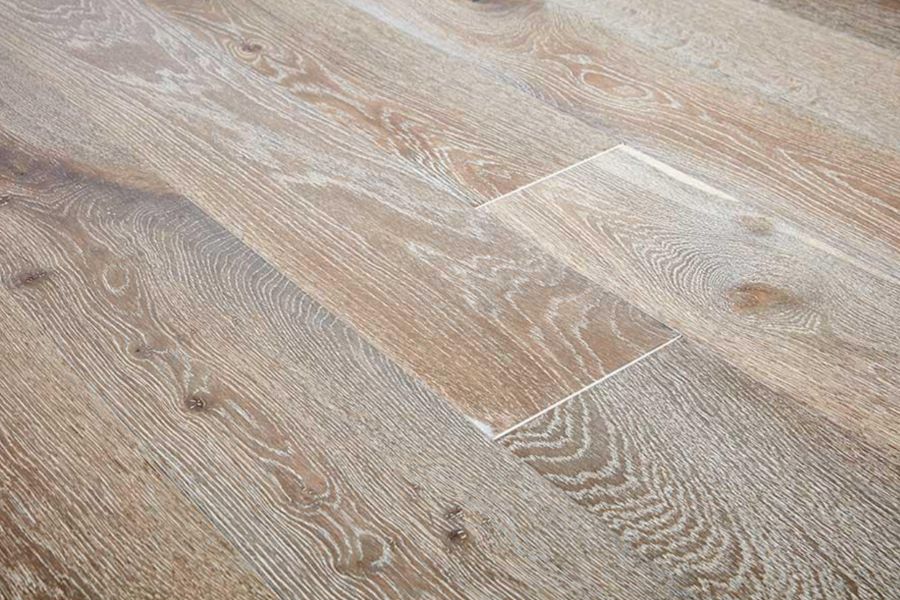
Solid hardwood flooring is made from a single piece of timber, commonly oak or other hardwood species. It is valued for its natural appearance and long lifespan.
Installation considerations
Solid wood is sensitive to moisture and movement. Installation usually requires:
– A stable, dry subfloor
– Careful acclimatisation before fitting
– Accurate expansion gaps around the perimeter
Because of these requirements, solid hardwood floors often demand higher preparation standards than other flooring types.
Cost position
Solid hardwood typically sits at the higher end of installation cost ranges, largely due to preparation, fixing methods, and longer fitting times.
For realistic budgeting across all flooring types, see:
Engineered Wood Flooring
What it is
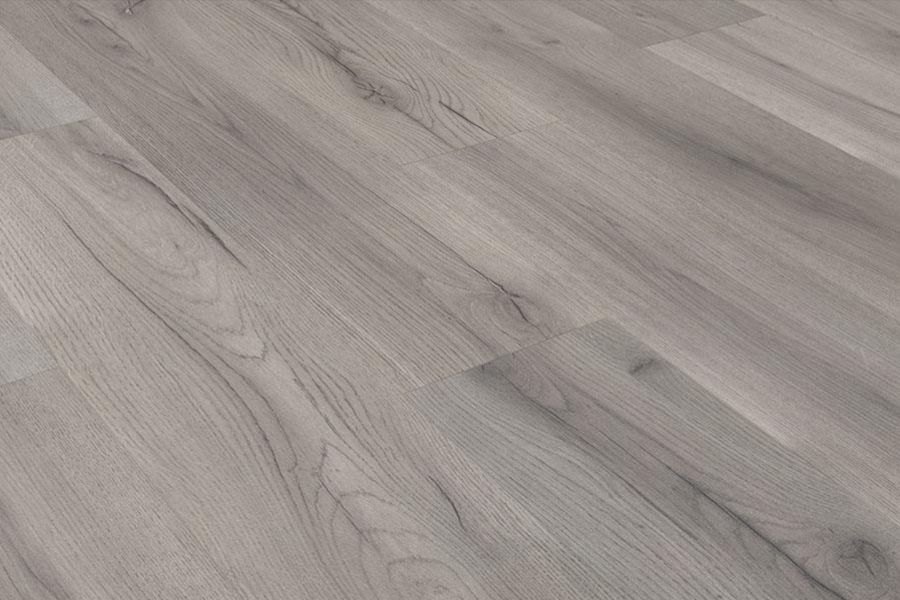
Engineered wood flooring combines a real wood surface layer with multiple supporting layers underneath. This construction improves stability compared to solid wood.
Installation considerations
Engineered wood can often be:
– Floated or glued down
– Used with underfloor heating when correctly specified
– Installed with fewer moisture-related risks than solid wood
It still requires a reasonably flat subfloor, but is more forgiving in typical UK homes.
Cost position
Installation costs usually fall into the mid-range, balancing appearance with improved stability and flexibility.
Laminate Flooring
What it is
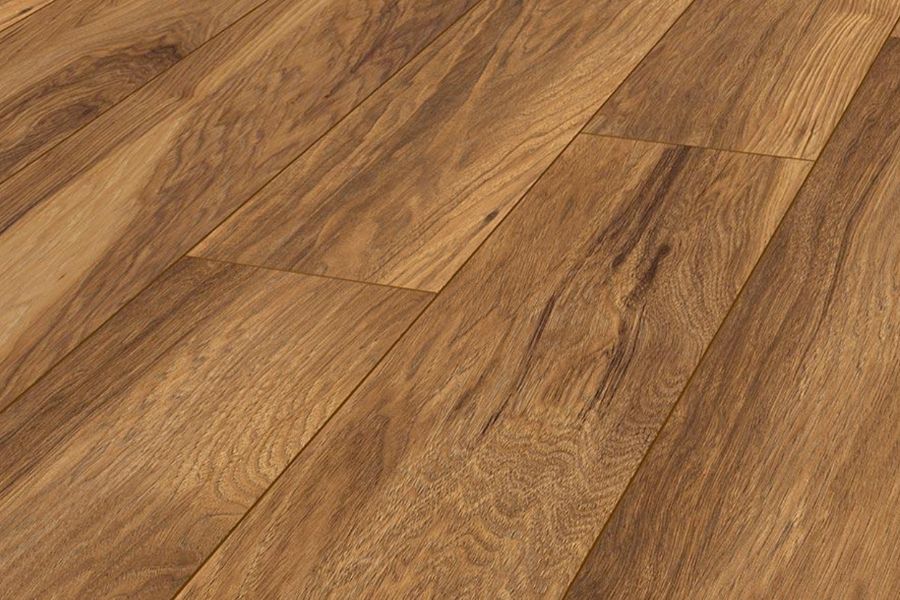
Laminate flooring uses a decorative surface layer bonded to a composite core. It is popular for its durability and cost-effectiveness.
Installation considerations
Laminate is typically installed as a floating floor and relies heavily on:
– Subfloor flatness
– Correct underlay selection
– Clean detailing at thresholds and doorways
It cannot be sanded or refinished, so installation accuracy is important.
Cost position
Laminate generally has lower installation costs, but inadequate subfloor preparation can increase the final price.
For laminate-specific pricing and budgeting, see:
Luxury Vinyl Tile (LVT) and Vinyl Plank
What it is
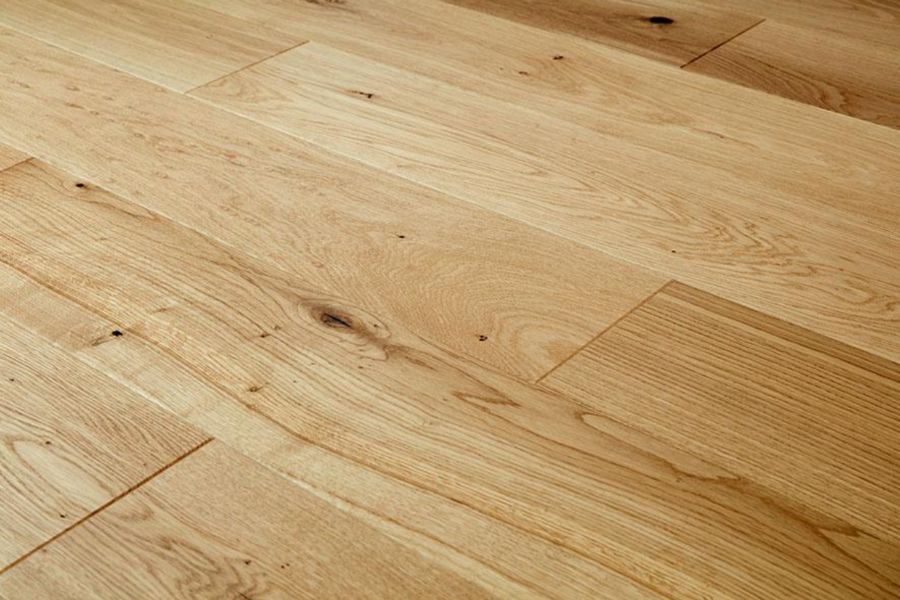
LVT and vinyl plank flooring are synthetic products designed to replicate wood or stone while offering improved moisture resistance.
Installation considerations
Many LVT systems are glue-down, which means:
– The subfloor must be extremely smooth
– Levelling or smoothing compounds are often required
– Any imperfections can show through the finished surface
Cost position
While the material cost can be moderate, installation costs may increase due to subfloor preparation requirements.
Bamboo Flooring
What it is
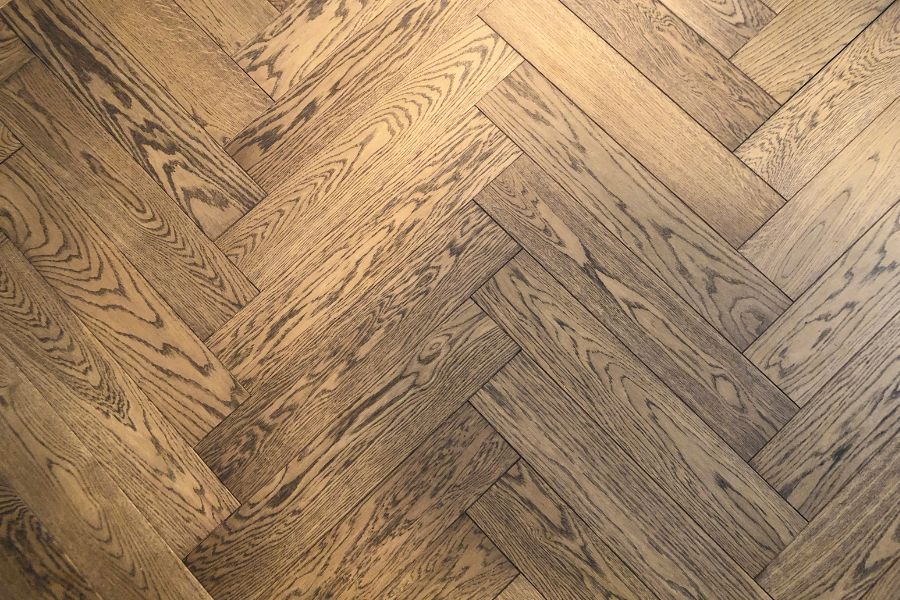
Bamboo flooring is made from compressed bamboo fibres and is often chosen for sustainability reasons.
Installation considerations
Performance depends heavily on product quality. Some bamboo floors are stable, while others are sensitive to moisture and movement.
Correct specification and subfloor assessment are essential.
Cost position
Installation costs are typically similar to laminate or engineered wood, depending on preparation needs and product quality.
How to Choose the Right Flooring for Your Home
There is no single “best” flooring type. The right choice depends on:
Ready to Fit Your Flooring?
Understand overall budget ranges
👉 Cost to Fit Flooring in London
Check your room size and layout
👉 Floor Installation Calculator
Understand installation methods
👉 Flooring Fitting Services in London
Speak to a specialist: we’ll review your room, your floor choice, and what preparation is required.