

LAST UPDATED: FEBRUARY 01, 2026
Renovation Services for Houses & Properties in London
Experienced Property Renovators
When a renovation goes beyond surface-level changes, the structure of your home matters. Our renovation services are designed for London homeowners planning major structural improvements — such as wall removals, extensions, loft conversions, and layout changes.
This page is the main hub for structural renovation services provided by Growchance in London. It is written for homeowners planning serious changes — where safety, compliance, and long-term integrity matter more than finishes.
👉 For refurbishment services, please visit our dedicated refurbishment services page.

What Counts as Renovation (And Why the Difference Matters)
Renovation means work that changes how a building functions, not just how it looks.
This includes altering internal structure, removing or modifying load-bearing elements, extending the footprint, or introducing new loads through conversions. These changes carry higher risk and require proper assessment.
Refurbishment work, by contrast, focuses on finishes and appearance. Mixing the two often leads to incorrect advice, unrealistic pricing, or missed approvals — which is why we keep them clearly separated.

House Renovation London specialist
Structural Renovation Services We Cover

Structural renovation is not limited to one type of project. In practice, it often appears within wider renovations that change how a property is used, supported, or laid out.
Below are the main renovation categories we handle, each of which may involve structural assessment, approvals, and engineering input.
Every service listed here links to its own dedicated page, where costs, regulations, and risks are explained in detail.
Structural Layout Changes
Major internal reconfigurations often look simple on drawings but can hide structural dependencies. Moving staircases, opening multiple rooms, or altering load paths requires careful analysis. We identify these risks early and design solutions that work with the existing structure.
Structural renovation in flats often carries additional layers of responsibility.
Load-bearing changes, floor alterations, or layout reconfiguration usually require freeholder consent and closer Building Control oversight.
We help identify what is possible within the constraints of the building and ensure approvals are handled correctly.

A full house renovation often combines several structural elements into one coordinated project.
This may include wall removals, extensions, loft works, and major layout changes. Managing these together allows structural decisions to be made holistically, reducing risk and avoiding conflicting solutions.
We focus on structure first, then sequence works logically.

Removing a load-bearing wall can open up a home dramatically, but it also alters how loads are transferred through the building.
This usually requires structural calculations, correctly specified steelwork, and Building Control approval.
We assess whether removal is possible, explain what support is required, and confirm what documentation will be produced. Nothing is assumed, and nothing is overspecified.

Extensions affect foundations, structure, drainage, and often neighbouring properties.
Even modest extensions can involve complex structural considerations below ground and above.
We guide you through feasibility, approvals, and build stages so you understand what is realistically involved before committing.

A loft conversion introduces new floors, new loads, and altered roof behaviour.
Structural design is critical to avoid long-term issues such as deflection or cracking.
We handle the engineering, strengthening design, and compliance process so the space is safe and properly certified.

A kitchen renovation becomes structural when walls are removed, openings are widened, or layouts are reconfigured.
This is common in open-plan designs where kitchens are combined with dining or living areas.
Structural assessment is often required to confirm whether walls are load-bearing and what support is needed.
We focus on the safe structural side first, before finishes are considered.

Bathroom renovations can involve structural work when walls are altered, floors are strengthened, or layouts are changed significantly.
This is particularly relevant in older properties or when relocating bathrooms.
We assess structural impact alongside drainage and compliance requirements to ensure changes are viable and correctly approved.

Basement conversions involve some of the most complex structural considerations in residential renovation.
Excavation, underpinning, waterproofing, and load redistribution all need careful planning.
We help assess feasibility early, explain risks clearly, and manage the technical process required to make basements safe and compliant living spaces.

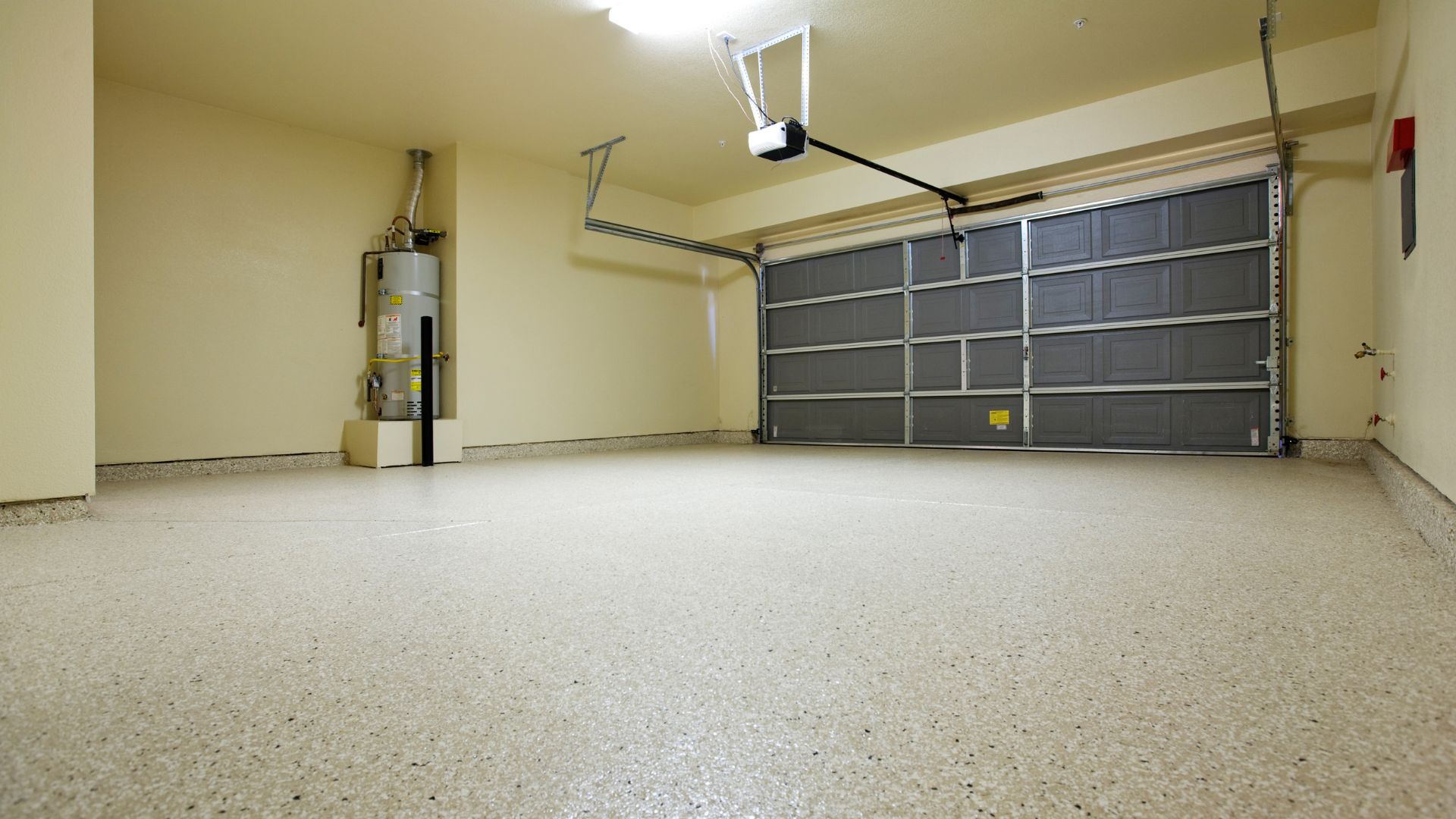
Garage Renovation & Conversion
Garage renovations become structural when openings are altered, floors are raised, or the space is converted into habitable accommodation.
Structural support, insulation requirements, and compliance all need to be considered early.
We assess whether conversion is feasible and explain what approvals are required before work starts.
Can These Renovation Works Be Done Safely?
Yes — but only when decisions are based on facts, not assumptions.
Many renovation problems arise when walls or supports are altered without understanding their role in the structure.
Loads do not disappear; they must be safely redirected. That is why professional assessment is essential before work begins.
We look at how the building actually behaves, not how it appears. If a proposal introduces unacceptable risk, we explain why and suggest safer alternatives where possible.
How Much Do Structural Renovations Cost?
Structural renovation costs vary because properties vary.
Pricing depends on factors such as span, load, access, engineering requirements, and the level of finishing after the structural work.
Providing a single figure without context is misleading, so we focus on realistic ranges and clear explanations.
Each service links to a dedicated cost guide, and where appropriate, you can use our smart tools to get a more tailored starting point before speaking to a specialist.
Regulations, Engineers & Approvals Explained
Most structural renovation work requires formal approval.
This usually involves Building Regulations and, in many cases, structural engineer calculations.
Planning permission may apply depending on the scope and location, but many works fall under permitted development.
Approvals are not just paperwork — they protect you legally and structurally.
We explain what is required, handle the technical side correctly, and ensure proper certification is issued.
Home renovation our steps
How the Renovation Process Works in Practice
Structural renovation should never feel rushed or unclear. Each stage below exists for a reason — to protect the building, the occupants, and you as the homeowner.
We follow this process to ensure decisions are made based on facts, not assumptions.
01.
Step
Initial Assessment to Understand Goals and Constraints
The first step is understanding what you want to achieve and what the property will realistically allow. This includes discussing layout ideas, long-term plans, and how you intend to use the space once works are complete.
At the same time, we identify constraints such as property age, construction type, access, neighbouring properties, and any obvious structural limitations. This early clarity prevents wasted design work and avoids proposals that look good on paper but don’t work in reality.
02.
Step
Technical Review of Structural Implications
Once goals are clear, we look beneath the surface. This stage focuses on how the building currently supports itself and how proposed changes may affect that balance.
We assess whether walls are load-bearing, how loads are transferred, and whether alterations introduce new stresses or weaknesses. This step is critical because many structural risks are not visible. Addressing them early avoids unsafe assumptions and costly corrections later.
03.
Step
Engineering Design and Approvals Where Required
If structural changes are confirmed, formal engineering input may be required. This involves calculations, drawings, and specifications that show exactly how loads will be safely supported after the renovation.
Where applicable, these documents are submitted for Building Regulations approval. Approvals are not just a formality — they confirm that the work meets legal and safety standards. We explain what is required, why it’s needed, and ensure everything is properly documented.
04.
Step
Controlled Renovation Work Carried Out Safely
Structural renovation work must follow the approved design precisely. This stage is about execution — carrying out the work in a controlled, methodical way that maintains stability throughout the process.
Temporary supports, sequencing, and correct installation all matter. We ensure structural elements are installed as designed and that the building remains safe at every stage, not just when the work is finished.
05.
Step
Inspection and Certification for Records and Resale
Once the work is complete, inspections are carried out to confirm compliance with approved designs and regulations. Final certification is then issued where applicable.
These records are important long after the renovation is finished. They protect you during future property sales, refinancing, or insurance queries by proving that structural work was carried out correctly and legally. Missing documentation is one of the most common causes of delays and disputes during conveyancing — this step prevents that.
Local property renovation services
Areas we cover in London

We cover all boroughs, including:
-
Central London (Westminster, Camden)
-
South London (Croydon, Lambeth, Greenwich)
-
East London (Hackney, Tower Hamlets)
-
North London (Barnet, Islington)
-
West London (Ealing, Hounslow, Kensington)
If you’re based in West London, you can read our dedicated local guide here:
If you’re based in North Finchley, you can read our dedicated local guide here:
Real questions London homeowners ask before property renovation in London
FAQ
-
Is renovation the same as refurbishment?
No, and the difference is important. Renovation involves structural or layout-altering work that affects how loads move through a building. Refurbishment focuses on finishes such as decorating, flooring, or fixtures. Treating renovation as refurbishment often leads to missed approvals and unsafe assumptions, which is why we separate these services clearly.
-
Do all renovation projects need a structural engineer?
-
Can renovation work be carried out in flats?
-
Will renovation work affect selling my property?
-
Can you tell me if my renovation idea is realistic before I commit?
Prefer to Speak With Someone?
If you’re planning a structural renovation, clarity is the most valuable first step.
You can:
Explore individual renovation services from this hub
Use our smart estimate tools to understand feasibility
Speak to a specialist for a calm, no-pressure assessment
Our role is to help you make informed decisions — not to push you into work that isn’t right.